
Jul 26th 2026
Why Cats Choose a Bookshelf Cat Tree Over a Regular One
It's not just where you'll let it live. It's often where your cat actually wants to be.
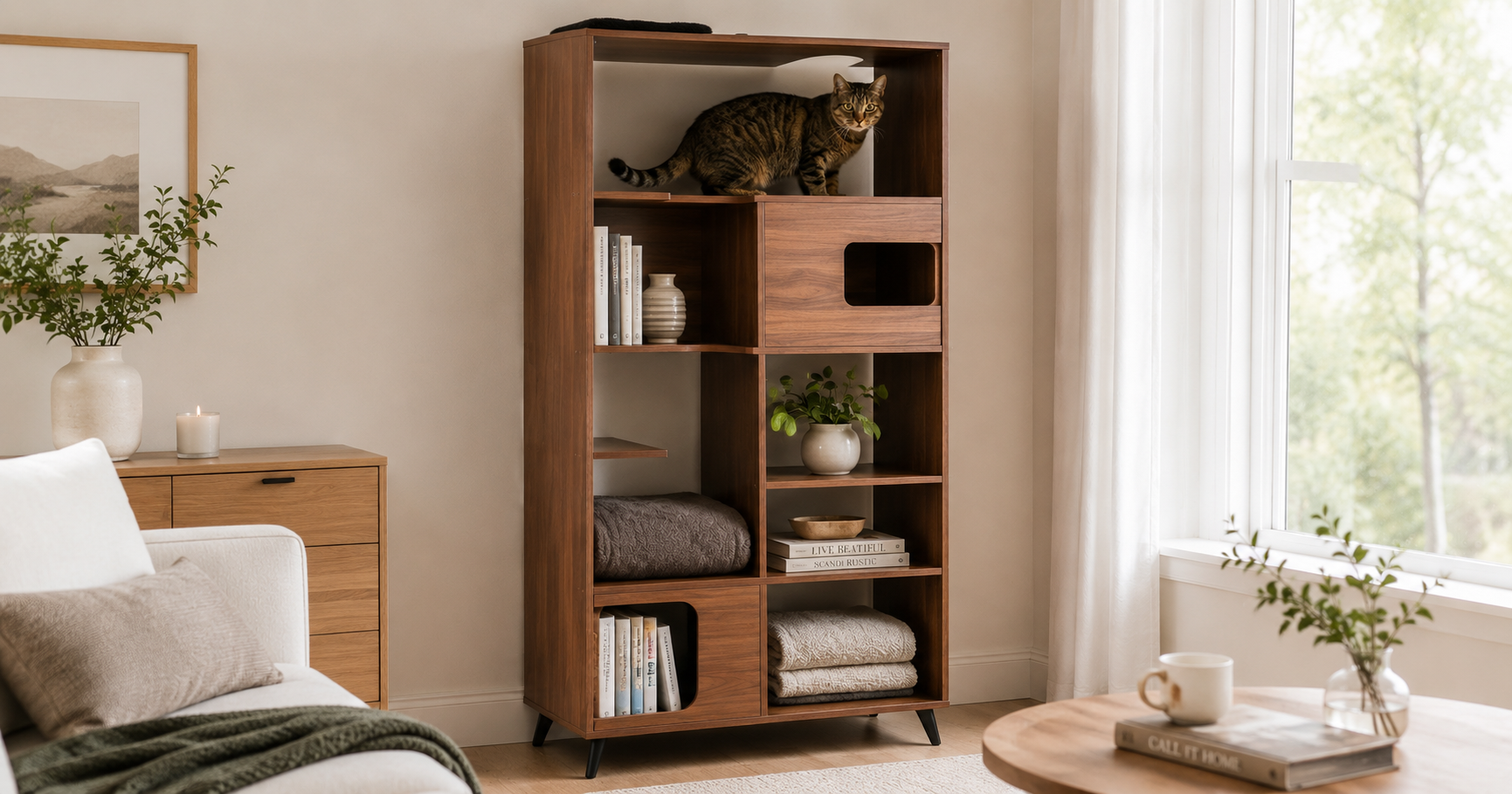
You did not put your cat on that shelf. They found it, tried it once, and now it is theirs -- and if you have a bookshelf cat tree, this has probably already happened without you doing anything to encourage it.
What a Cat Is Actually Looking For in a Resting Spot
Cats favor elevated spots with a solid surface underneath them and a wall or backing on at least one side -- not open platforms floating in space. A shelf gives them both automatically, which a standalone cat tree platform often does not.
That is not decoration preference on the cat's part. It is a genuine safety read -- fewer open angles to watch, a surface that does not sway underfoot the way some tower platforms do. Our standalone cat tree collection works well for cats who prefer height over enclosure; a shelf format tends to win with cats who want both.
"A cat choosing a bookshelf cubby over an open platform almost always comes down to backing and depth, not height. An enclosed shelf gives them a wall behind them and a defined edge in front -- that reads as defensible in a way an open platform on a pole never quite does, no matter how tall it is."

Why This Preference Shows Up So Consistently
It is not random. Cats are both predator and prey in the wild, and resting spots that offer a clear sightline out while keeping their own back covered satisfy both instincts at once.
A shelf nook checks that box structurally, without you doing anything to train the behavior. The cat just tends to find it and stay.
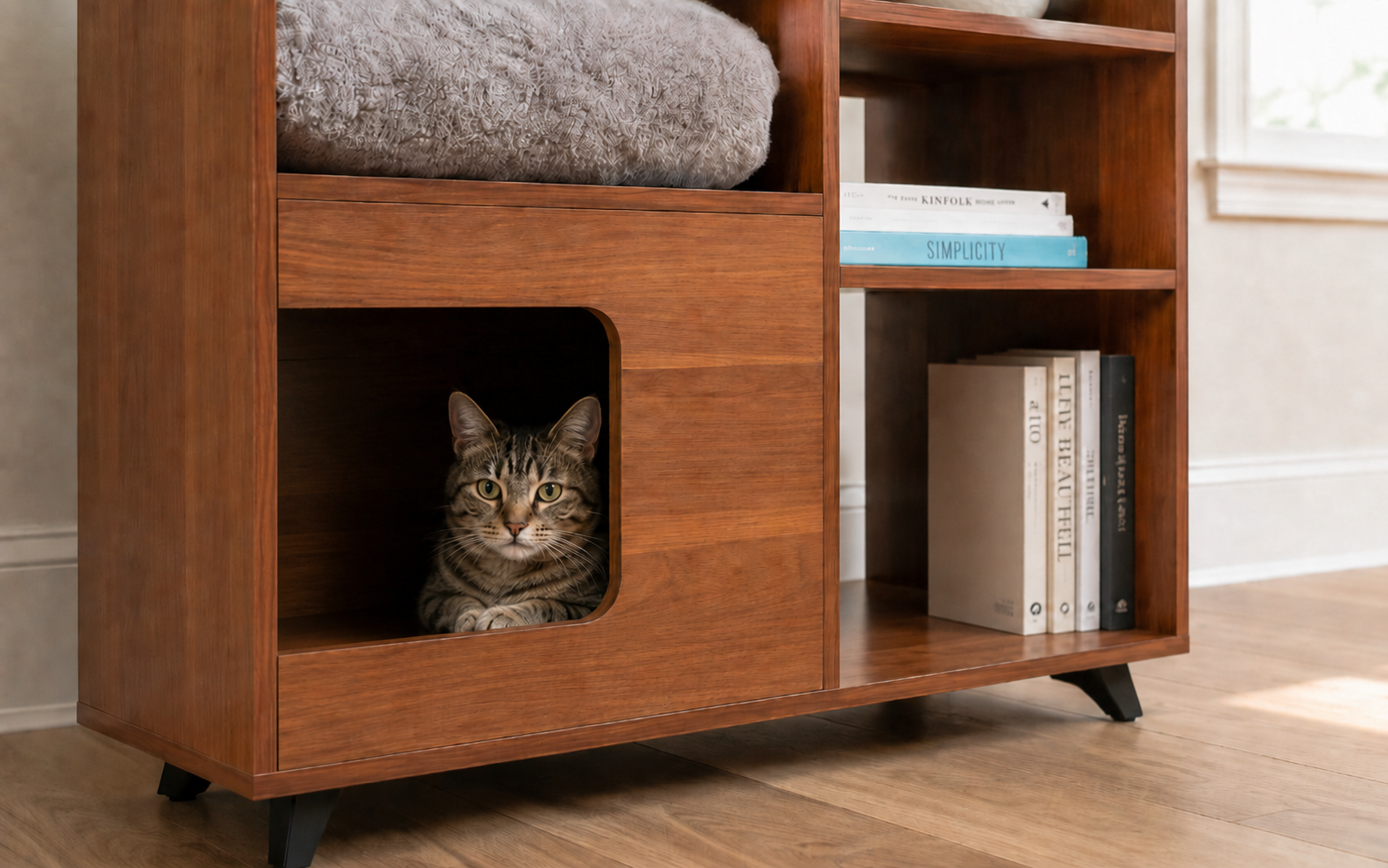
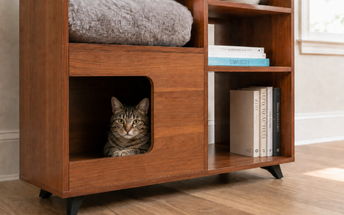
A wall behind them and a clear view out -- the same instinct that makes a cat pick a box also makes them pick a shelf.
What This Means If Your Cat Ignores Their Current Tree
A cat who avoids an existing standalone tree is not necessarily rejecting height or climbing in general. It may specifically be the exposed, open-platform format that is the problem.
Before assuming a cat 'just does not like' cat trees, it is worth trying an enclosed or shelf-style format instead. Our guide on introducing new cat furniture covers the setup side once you have the right format.
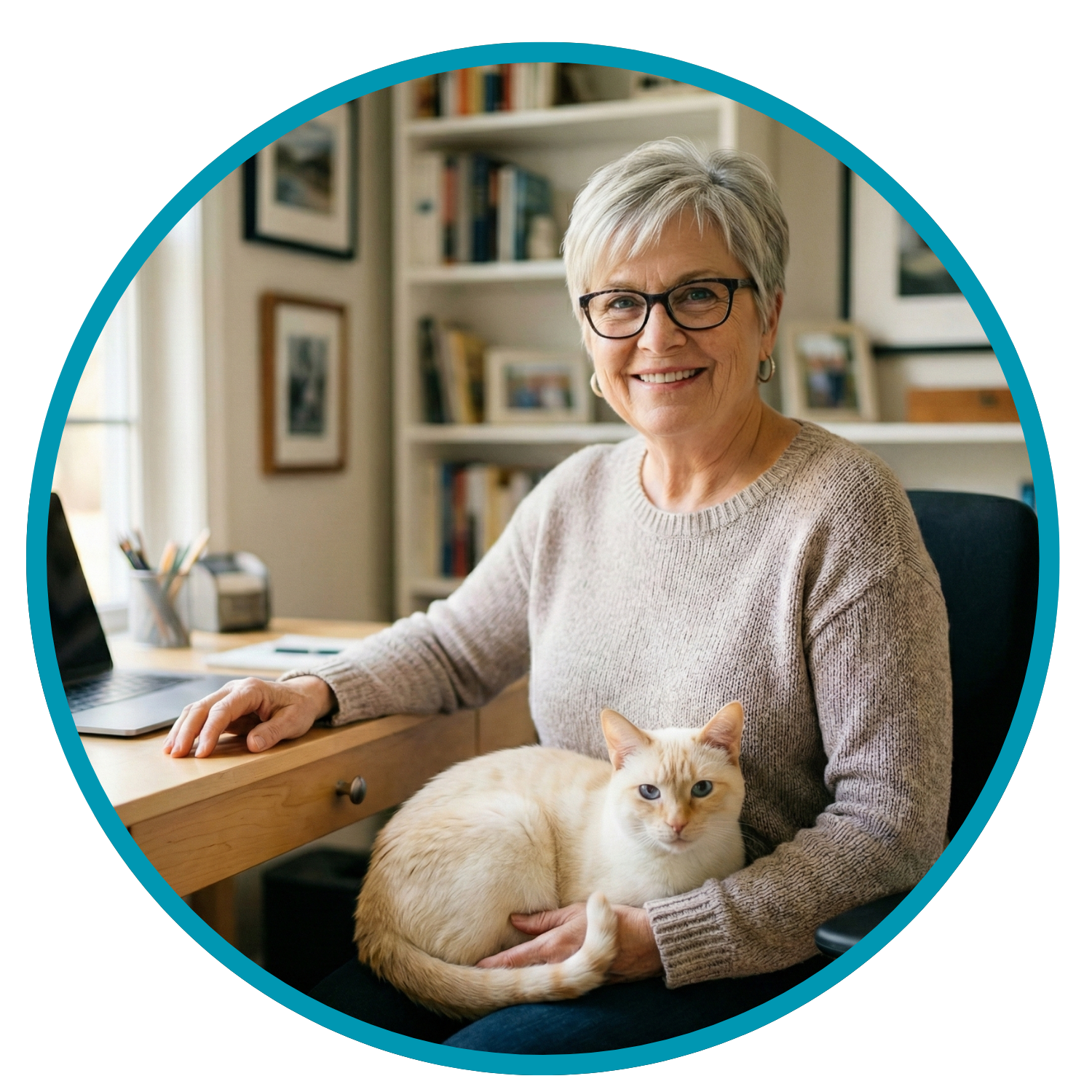
"When a customer tells me their cat 'won't use' the cat tree they bought, my first question is whether the platforms are open or enclosed. Nine times out of ten, switching to something with real backing solves it -- not a different brand, not a taller tree, just a format the cat actually reads as safe."

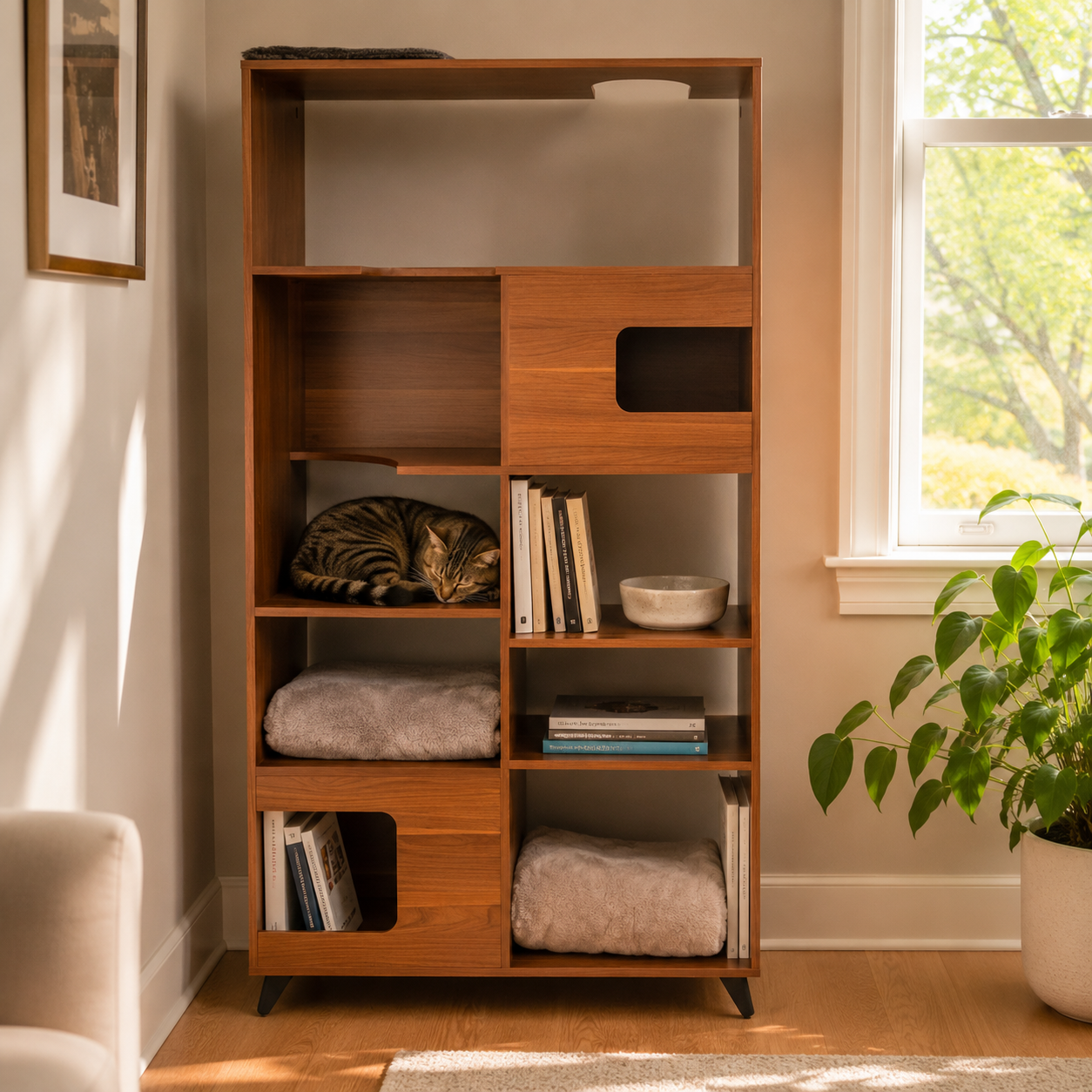
See the design that started this conversation in our closer look at Clifford, or check what to look for in real shelf storage before you buy one.