Mar 24th 2026
Cat Tree vs. Cat Gym: Which Does Your Cat Need?
Choosing between a traditional cat tree and a cat gym depends entirely on your pet's energy levels. Discover why the "gym" approach is the ultimate long-term asset for high-activity households.
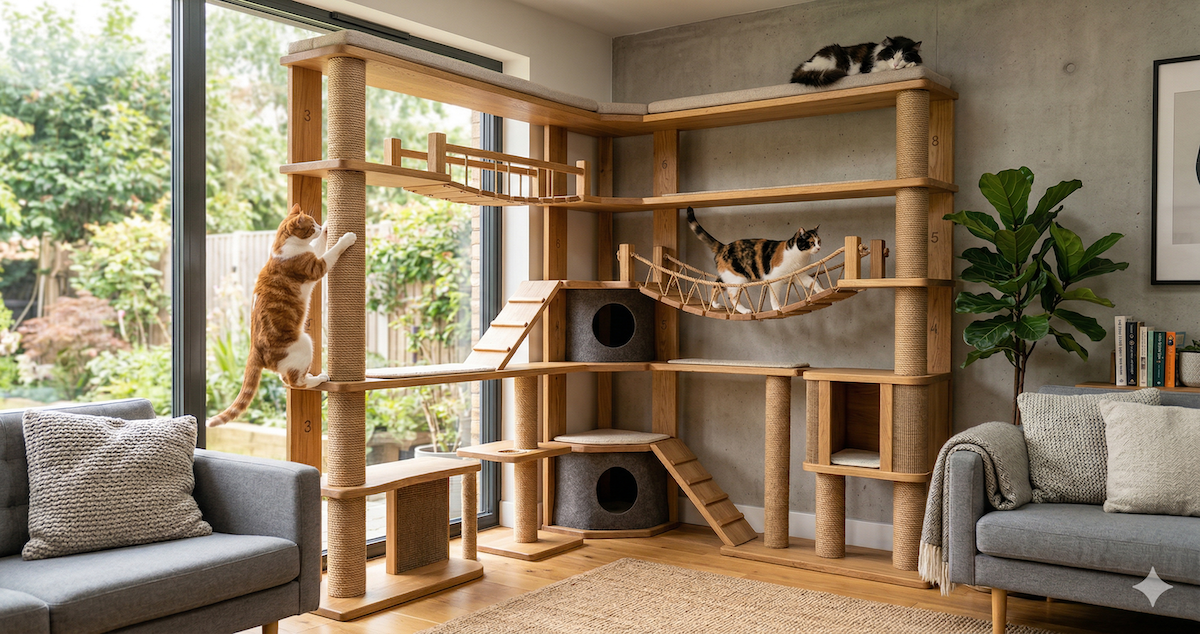
A dedicated activity center transforms your living space into a functional fitness circuit.
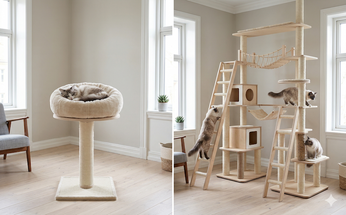
While often used interchangeably, there is a fundamental functional difference between cat trees and gyms. A standard tower is primarily a destination for napping and surveying territory. However, a cat jungle gym is designed for kinetic movement, providing the vertical "runway" necessary for indoor exercise and behavioral health.
Activity Levels and Environmental Enrichment
For younger cats or high-energy breeds, a simple perch isn't enough to satisfy their hunting instincts. A cat climbing gym offers multi-directional travel, allowing cats to leap, sprint, and hang. By incorporating various textures like thick sisal, wood, and carpet, these feline obstacle courses mimic the complexity of an outdoor environment while keeping your pets safe inside.
"Behavioral issues like 'the zoomies' or destructive scratching often stem from pent-up energy. An indoor cat gym provides a constructive outlet for those bursts of activity. When a cat has a dedicated space to sprint vertically, they are far less likely to treat your curtains or sofas as gym equipment. Multi-level play is vital for weight management and mental stimulation."

When to Choose a Multi-Level System
If you have a multi-cat household, the "gym" configuration becomes a necessity rather than an option. These systems provide multiple entry and exit points, preventing territorial "gatekeeping" where one cat blocks access to the top perch. By expanding the available cubic footage of your room, an activity center reduces social tension and creates a harmonious shared space.
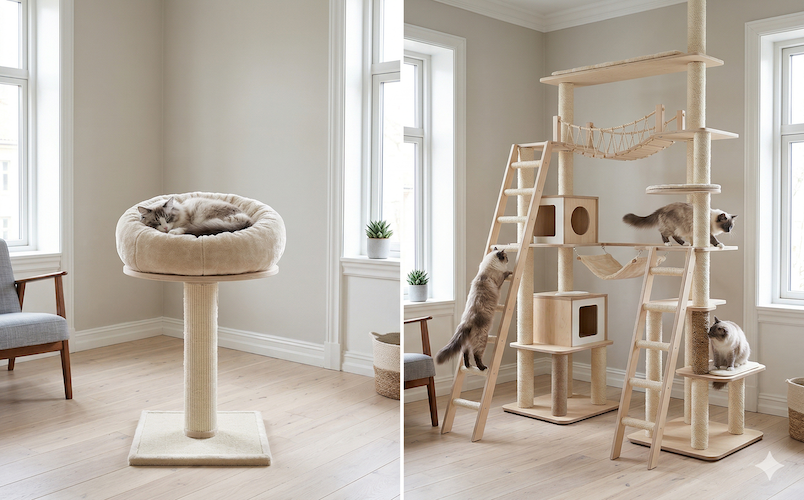
Gym-style products focus on mobility and exercise benefits over simple lounging.
Engineering for High-Impact Play
Because these units are designed for motion, the structural requirements are significantly higher than those of a standard tower. We look for "lever-load" resistance in every component.
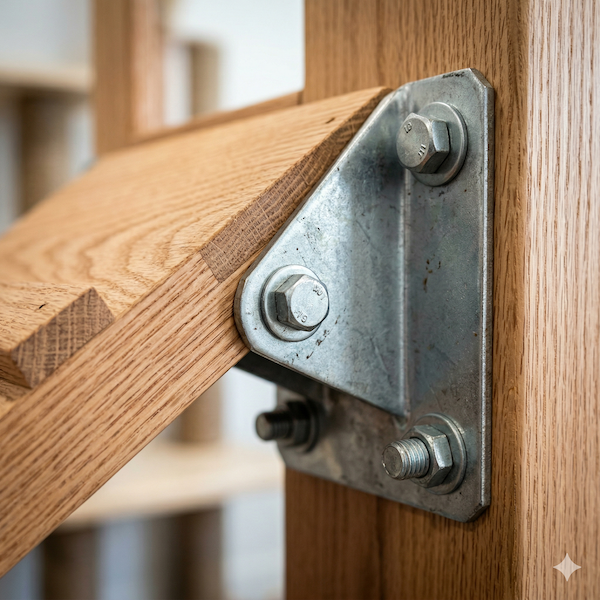
Solid wood ramps and heavy-duty brackets are essential for active play.
Structural Connectors: High-activity systems must utilize industrial-grade bolts and metal-to-metal inserts. This ensures the unit doesn't loosen over time as cats launch and land with significant force.
Material Density: We avoid thin MDF in favor of .75 inch thick plywood or solid wood cores. This density provides the necessary weight to keep the climbing circuit stationary.
Post Diameter: For systems designed for multiple active cats, we recommend support columns with a minimum 4.5 inch or 5 inch diameter to absorb the lateral force of a mid-sprint climb.
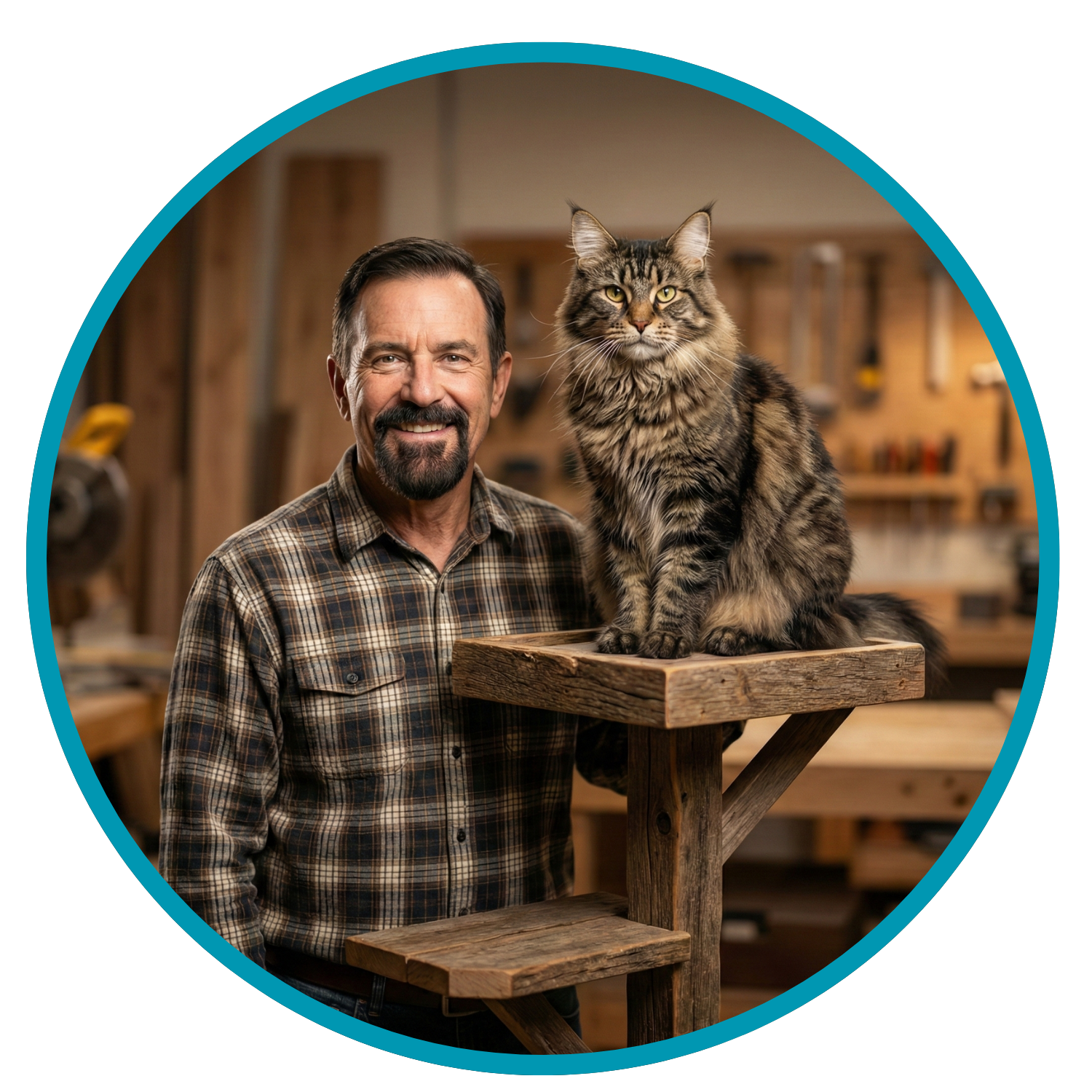
"A cat gym is a dynamic structure, which means it undergoes constant vibration and lateral torque. During our audit, we look at the 'joint integrity'—standard staples and glue simply won't hold up. We prioritize designs that use thick-gauge steel hardware and solid wood perches because stability is the only way to ensure safety during high-velocity play."

Ready to Level Up Feline Fitness?
Stop settling for furniture that only serves as a bed. Upgrade to a high-performance system designed for exercise, exploration, and longevity.